October 06, 2026


The rain started at noon and hasn't let up. Your hands are wet, the wood is wet, and the lighter you were counting on is somewhere in a hip pocket you can't reach with numb fingers. A fire kit rarely fails because the gear is bad. It fails because the pieces don't work together under pressure, or because it lives in a stuff sack at the bottom of a pack when you need it most.
What follows is a straightforward loadout of twelve items that earn their place, along with the habits that make them work when the weather has already decided against you.
Everything else in the kit supports the spark. Get this part right and the rest becomes a question of fuel selection.
A ferrocerium rod is the backbone of most serious kits. It works wet, it works cold, and it doesn't run out. The catch is technique. Park the tip of the rod down in your tinder bundle, set the striker at a fixed angle, and pull the rod back rather than pushing the striker forward. Your hands stay still, the sparks land where you want them, and the tinder doesn't get knocked apart at the worst possible moment. Practice until you can do it without looking.
Disposable lighters are the fastest option in most conditions, and they cost almost nothing. Carry two. Keep one in an interior pocket where body heat keeps it above freezing, because a cold lighter can be stubborn about lighting. Remember that the fuel and the flint are separate failure points — a lighter with plenty of gas and a worn flint is a paperweight.
Stormproof matches burn through wind and a brief soaking, which makes them a genuine third option rather than a sentimental one. Store them in a waterproof case, and if you carry two cases, split them between your pack and your jacket. One leak shouldn't take out your entire supply.
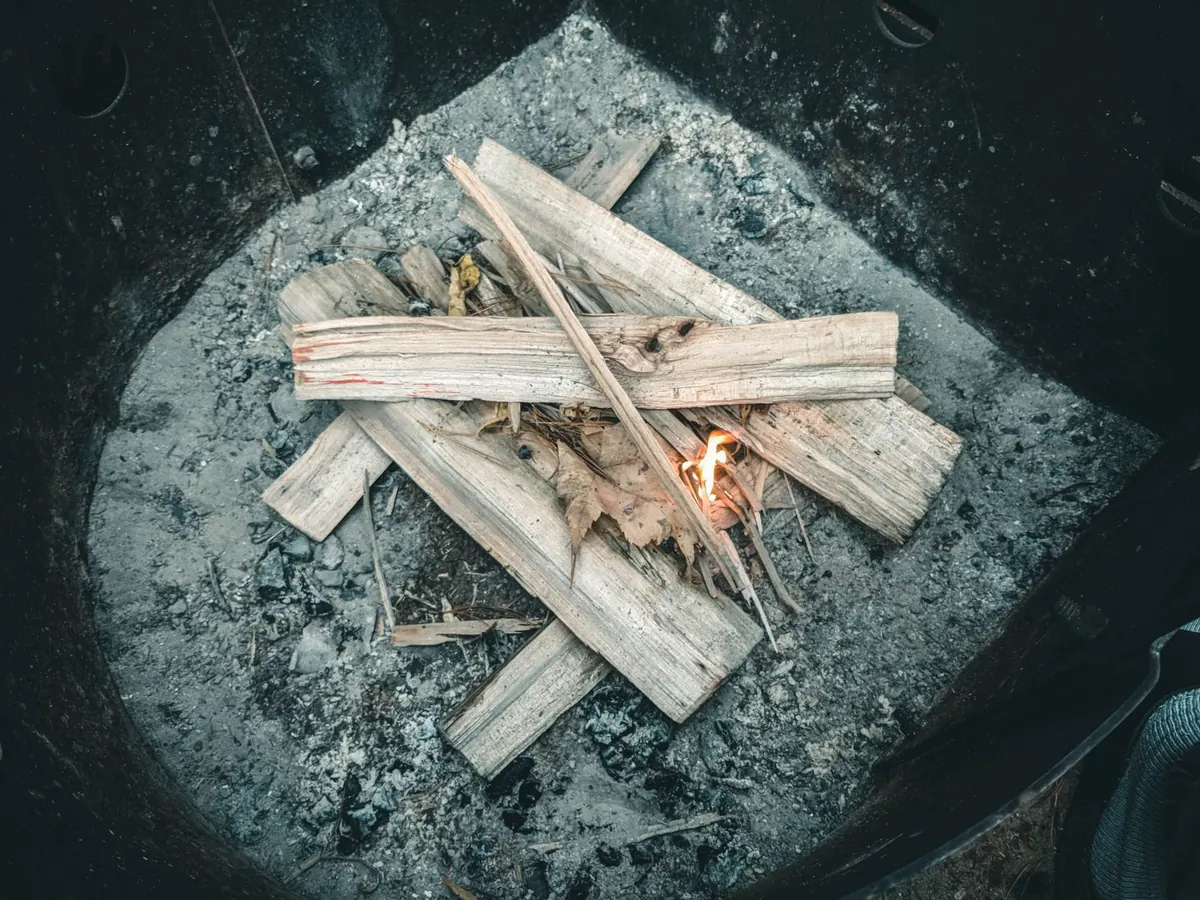
Damp wood is a fuel problem, not an ignition problem. The fix is to carry tinder that doesn't care about the humidity, then feed the fire in stages instead of dumping a handful of good material onto a struggling flame.
Petroleum jelly cotton balls are the classic for good reason. Tear one open so the fibers are exposed, fluff it, and hit it with sparks. The jelly extends the burn long enough to add pencil-thin twigs. Char cloth catches a spark more readily than almost anything else, but it only smolders, so it needs fine tinder stacked on top of it. Fatwood — the resin-soaked heartwood of a dead pine stump — shaves into curls that light like they've been dipped in fuel. Birch bark peels from fallen trees, stays oily through rain, and burns even when the surface is wet. Gather it from dead wood on the ground, never by stripping a standing tree.
Beeswax-dipped jute twine is the quiet workhorse. Frayed into a loose nest, it takes a spark easily and holds a flame long enough to dry out slightly damp kindling.
The Fresnel lens and the battery-and-steel-wool trick are last resorts, and they're worth carrying precisely because they're odd. Touch the steel wool to both battery terminals and it ignites almost instantly. Do that outdoors, on bare dirt or a flat rock, well away from your other tinder — it burns hot and fast and you don't want to be holding it. Solar ignition needs direct sun and a tinder bundle that's bone dry, so treat it as a sunny-day option only.
The single most useful backup isn't a gadget. It's a sharp knife. A knife turns wet wood into dry wood: split a damp branch and you expose the dry core, then shave it into feather sticks that catch from a single flame.
Before you touch a single match, do the boring work. Build a platform of split wood or flat stones so your fire isn't sitting in a puddle. Gather three sizes of fuel — fine tinder, pencil-thin twigs, and wrist-thick pieces — and stage them within arm's reach. Then gather twice as much as you think you need, because the pile always burns faster than it looks.
Look for dry material in the places rain hasn't reached: dead lower branches still attached to conifers, the inside of a standing dead sapling, the underside of a fallen log, dry grass under an overhang. Shave those into curls rather than breaking them into chunks. Cup your body around the tinder to block wind and drizzle, and shelter the whole operation behind a log, a rock, or a jacket draped over sticks.
One stubborn mistake: feeding the fire faster than it can dry the next piece of wood. Add fuel in one size at a time and let each stage establish itself before moving up.
Split the kit into two. A pocket kit — lighter, ferro rod, cotton balls — that never leaves your jacket, and a pack kit with the rest. Everything goes in one clearly marked pouch with a zipper you can work one-handed. Test the lighters and the ferro rod at the start of every season, replace the cotton balls if they've dried out, and make a point of building one fire in the rain near home, where failure costs you nothing but a little pride.
Finally, check local fire regulations before you head out. Burn bans are common in dry seasons, and some areas restrict fires above certain elevations. Where fires are allowed, keep them small, never leave one unattended, and drown the coals until they're cold to the touch.
Photo: Ali Kazal / Pexels
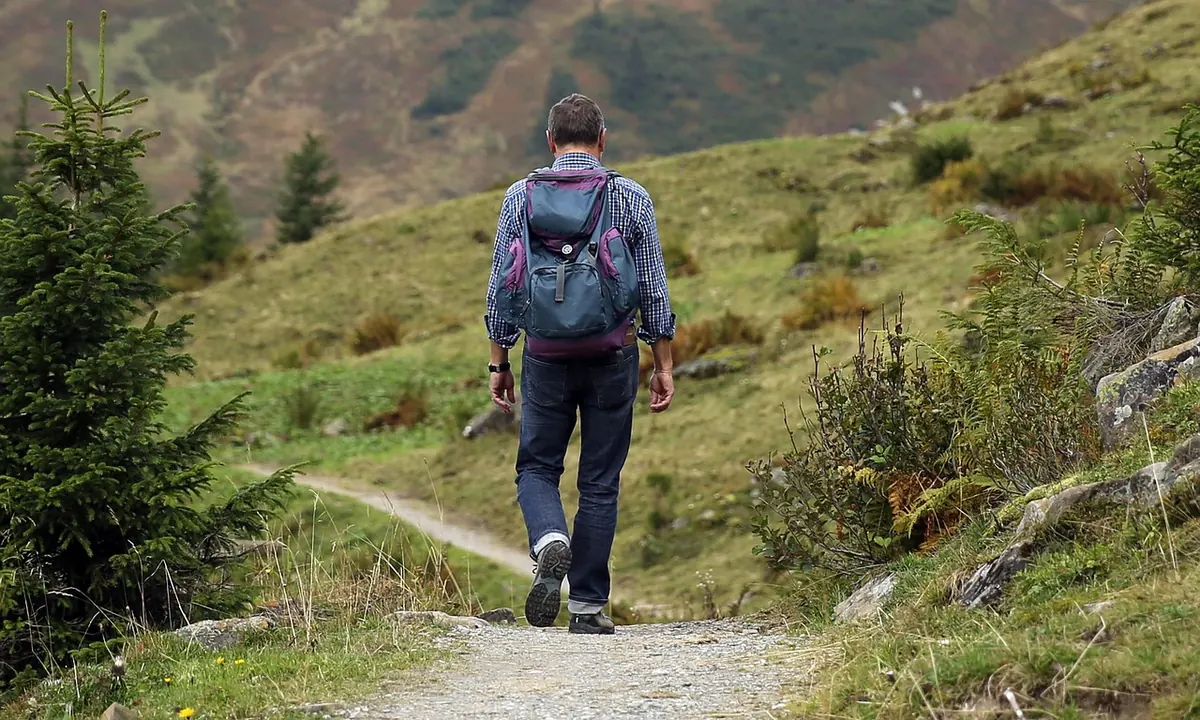
A guiding light for outdoor adventures..
Copyright © 2026 Briar Beacon. All rights reserved. Briar Beacon.